
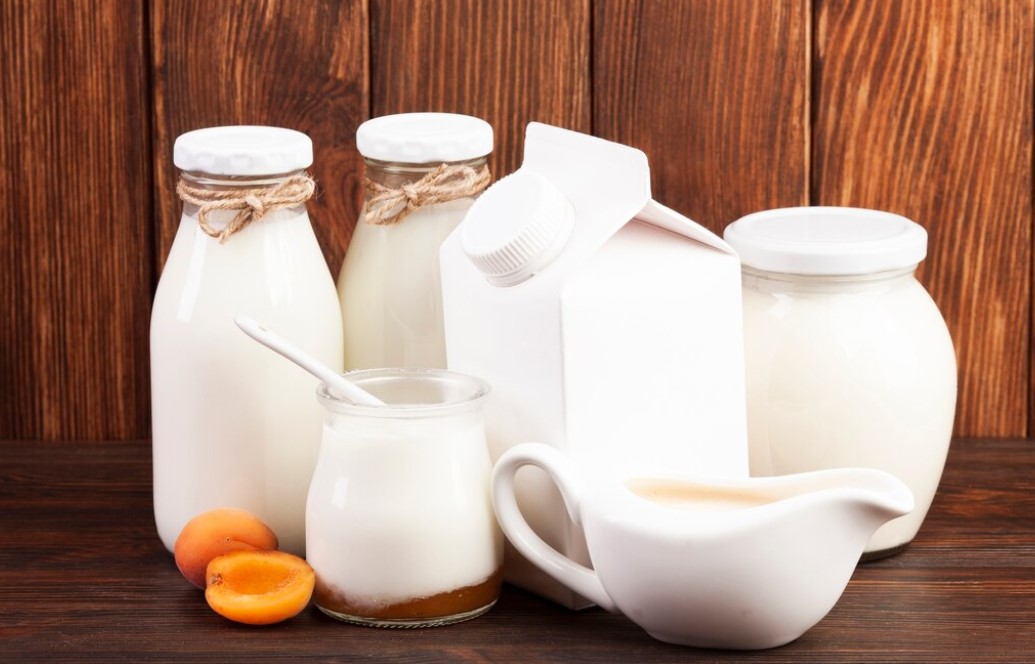
Dairy products are an essential part of the human diet, offering essential nutritional benefits. In Africa, where nutrition and access to healthy, nutrient-rich food are key health concerns, dairy products are playing an increasingly important role. Not only do they provide essential nutrients such as protein, calcium and vitamins, but they also have a positive impact on the general well-being of the population.
In this article, we explore how dairy products can meet the nutritional needs of African consumers, particularly as demand for quality products continues to grow.
🧀 The health benefits of dairy products
Dairy products are a valuable source of calcium, vitamin D, protein and other nutrients essential for growth, development and the maintenance of good health. Calcium is an essential mineral for the development of bones and teeth, and is also involved in nerve, muscle and heart function. Dairy products are an excellent source of calcium, making them a major asset for children and growing teenagers, as well as older people at risk of osteoporosis.
The high-quality proteins found in milk and dairy products play a fundamental role in muscle building, tissue repair and enzyme production. In African countries, where diets are sometimes deficient in protein, regular incorporation of dairy products helps to balance nutritional intake and prevent the risk of malnutrition.
The vitamins found in dairy products, particularly vitamin A and vitamin D, help to strengthen the immune system, protect against infection and keep the skin healthy. These benefits are essential, particularly in regions where access to vitamin-rich foods is limited.
🍶 Products tailored to the specific dietary needs of Africa
Africa has a diversity of diets and nutritional challenges. In many regions, deficiencies in essential nutrients are common, and dairy products can play a key role in improving the diet of local populations. For example, in countries such as Cameroon, Nigeria and Côte d’Ivoire, where eating habits are high in carbohydrates but low in protein and calcium, dairy products can fill these nutritional gaps.
UHT (Ultra High Temperature) milk is particularly well suited to African conditions. Because of its long shelf life, it can be easily stored without refrigeration, which is crucial in rural areas where electricity and refrigeration infrastructure may be lacking. What’s more, yoghurts, which are also rich in probiotics beneficial to digestion, provide a welcome touch of freshness in hot climates and can help improve intestinal flora, promoting better digestion.
🧃 A beneficial alternative for children and young adults
Children and teenagers in particular benefit greatly from regular consumption of dairy products. As well as supporting the development of bones and teeth through calcium, the proteins and vitamins in dairy products support their physical and cognitive growth. For young Africans growing up in an environment often lacking in varied food resources, adding dairy products to their daily diet can have a direct impact on their long-term health.
In certain regions where children suffer from malnutrition, the consumption of fortified yoghurts, cheeses or milk can be an effective solution for providing essential nutritional intakes. In addition, dairy products can offer a healthy alternative to sugary drinks or processed snacks, which are often more accessible but less beneficial to health.
🥛 Dairy products as a source of culinary diversity
Africa is a continent of many cultures and culinary traditions, and the adoption of dairy products brings exciting culinary diversity. Fine cheeses such as Camembert, Brie and Roquefort can be incorporated into modern recipes, opening up new gastronomic possibilities. Plain or flavoured yoghurts can be eaten as they are or used as a base for desserts, sauces or drinks.
These dairy products are also perfectly suited to traditional African dishes, enriching local menus while adding a modern touch. In cooking, butter, for example, can be used for its creamy texture and refined taste, bringing an element of luxury and quality to simple but tasty meals.
🌱An opportunity for sustainable food
One of the major challenges in Africa is access to sustainable food. Although the continent is rich in agricultural resources, it still faces challenges linked to food insecurity and sometimes unbalanced eating habits. Importing dairy products offers an opportunity to meet these challenges by enriching people’s diets while supporting a sustainable economic production model.
Dairy products come from quality agriculture that respects the environment and health standards. By choosing these products, African consumers can have access to quality food, while helping to support responsible farming practices.
🤝 Why choose our dairy products?
Importing dairy products is more than just offering your consumers top-quality products: it’s also a commitment to public health, culinary diversity and the well-being of African populations. With products that are adapted, sustainable and nutritionally complete, dairy products represent a real solution for improving the quality of nutrition in Africa, while meeting the growing needs of a rapidly expanding market.
Whether for children, adults or the elderly, dairy products can become a key element of a balanced and diversified diet, contributing to better health and development for the whole family.
Investing in dairy products means investing in the health of African consumers and offering your customers quality products tailored to their needs and expectations.